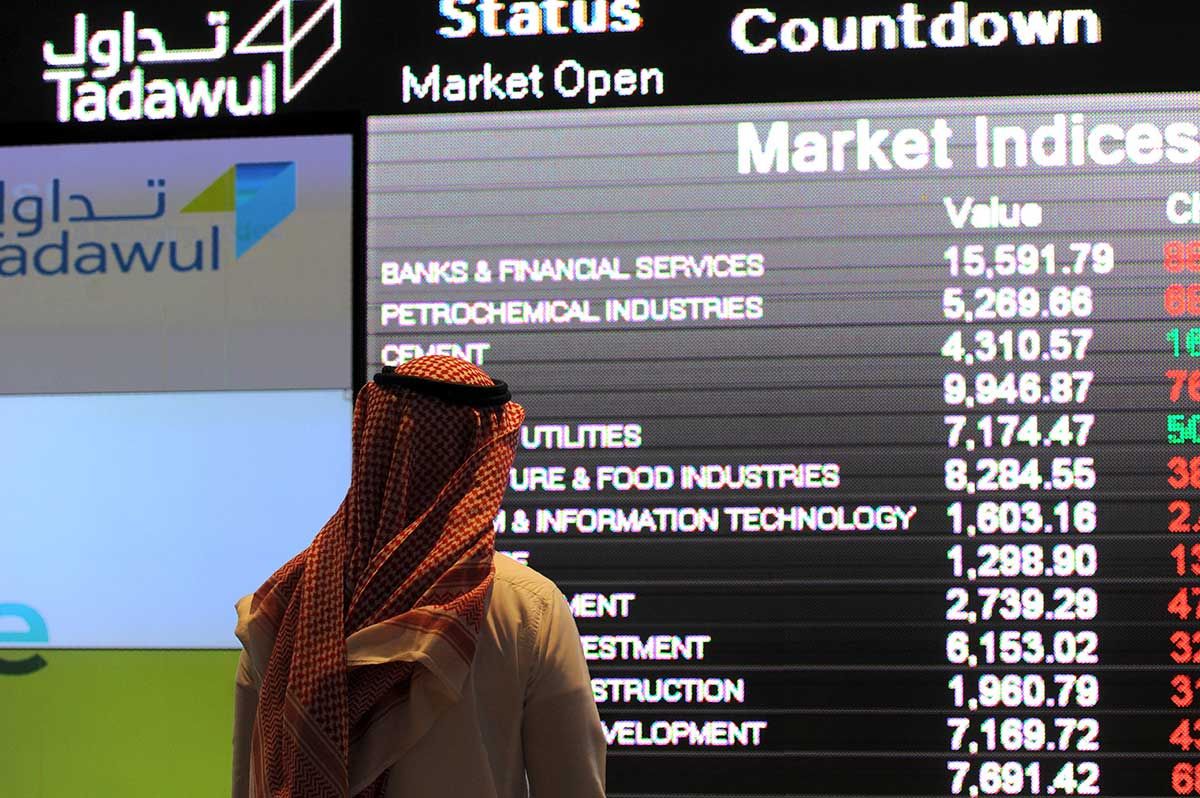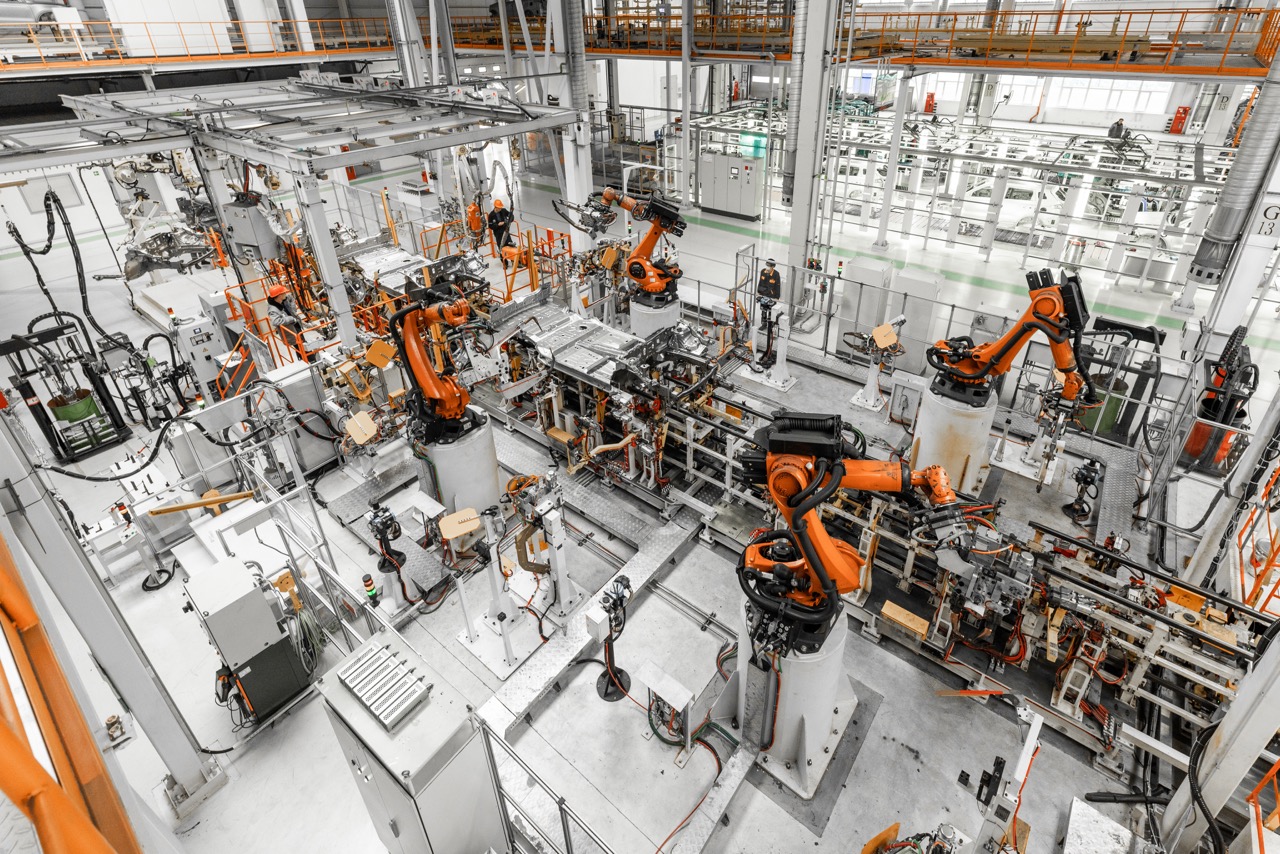
In recent years, Saudi Arabia has positioned itself as a key destination for international companies seeking financial efficiency, favorable regulatory conditions, and a stable investment climate. Through the ambitious Vision 2030 program, the Kingdom is implementing comprehensive reforms to become a regional economic leader, offering substantial financial and infrastructure incentives as well as strong institutional support for foreign investors.
Tax Advantages
Saudi Arabia offers one of the most competitive tax regimes globally, significantly reducing the financial burden on investors:
Corporate Income Tax: Foreign investors are subject to a flat 20% corporate tax rate on profits, while certain industrial and special economic zones benefit from tax incentives, including corporate tax exemptions of up to 20 years.
Export-Related VAT Relief: Companies producing for export are eligible for full VAT refunds, further reducing operational costs.
No Personal Income Tax: The absence of personal income tax materially improves labor cost competitiveness and net compensation structures.
Subsidies and Financial Support
The Saudi government provides a broad range of financial incentives tailored to industrial and manufacturing projects:
Saudi Industrial Development Fund (SIDF): SIDF offers long-term financing at preferential interest rates, often below global benchmarks, supporting capital-intensive industrial investments and long-term project sustainability.
Subsidized Energy Prices: Saudi Arabia benefits from some of the lowest energy prices worldwide, enabling manufacturers to reduce operating costs by more than 30% in energy-intensive industries.
Access to Land: In selected economic and industrial zones, investors may obtain land free of charge or at heavily subsidized rates for the development of production facilities.
Operational and Logistical Efficiency
Relocating manufacturing operations to Saudi Arabia enables meaningful improvements in operational efficiency:
Strategic Geographic Location: Proximity to Europe, Asia, and Africa allows faster and more cost-effective distribution to key global markets.
Competitive Raw Material Costs: Government-supported access to locally available raw materials helps optimize input costs and improve margin resilience.
Business Environment Stability
Saudi Arabia provides a secure and predictable business environment underpinned by long-term macroeconomic stability:
Fixed Exchange Rate Regime: The Saudi riyal is pegged to the US dollar, effectively eliminating foreign exchange volatility risk.
Investor Protection Framework: Foreign investors operate within a transparent legal system that safeguards property rights and provides long-term investment security.
Incentives for Green Projects and Sustainable Technologies
Saudi Arabia actively promotes investments in sustainability and advanced technologies through targeted fiscal and regulatory measures:
Renewable Energy Tax Incentives: Projects contributing to carbon-emission reduction benefit from preferential tax treatment and dedicated government support schemes.
R&D and Innovation Support: Companies investing in research, innovation, and green technologies may access direct government grants and preferential financing instruments.
Strategic Conclusion
Relocating manufacturing to Saudi Arabia offers a compelling combination of strategic and financial advantages. Competitive tax rates, extensive financial incentives, modern infrastructure, and regulatory facilitation position the Kingdom among the most attractive global destinations for industrial investment. Supported by a stable business environment and a clearly articulated long-term economic vision, Saudi Arabia provides international companies with a credible and scalable platform for sustained growth and industrial expansion.