Setting Up a Company in Saudi Arabia: What European Companies Need to Know

Overview

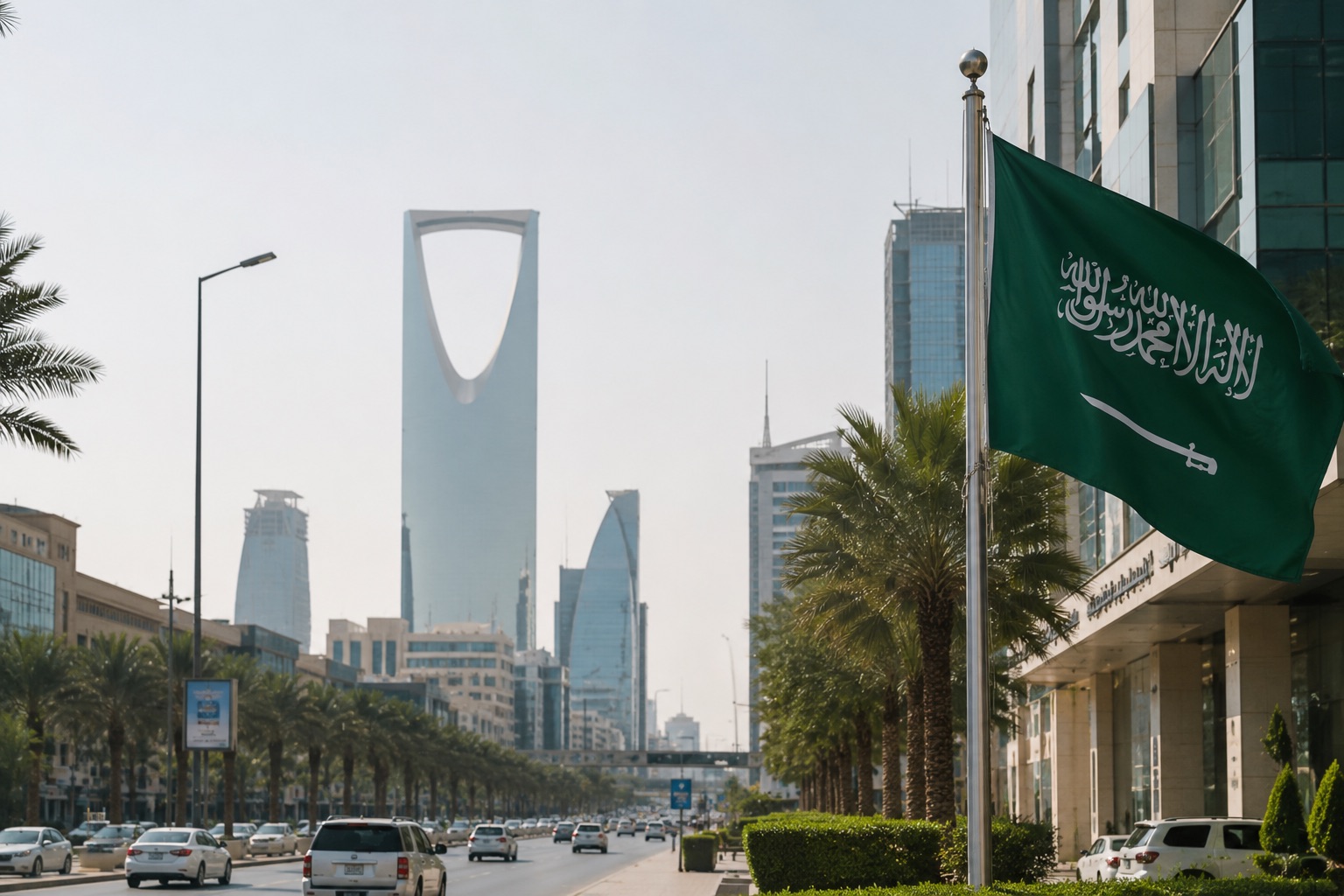
In 2026, Saudi Arabia remains one of the most important growth markets for European businesses looking beyond Europe. Large-scale investment programmes, industrial development, growth in the non-oil economy and a more open approach to international partnerships continue to make the Kingdom an attractive market.

Several figures help show the scale and direction of this development:

  • Saudi Arabia’s real GDP grew by 4.5% in 2025.
  • Non-oil activities grew by 4.9% in 2025.
  • In 2026, PIF approved its 2026-2030 strategy, continuing the investment cycle linked to Vision 2030.
  • Public Investment Fund (PIF) increased its assets under management from approximately EUR 139 billion in 2015 to more than EUR 830 billion.
  • Between 2021 and 2025, PIF invested more than EUR 184 billion in new projects in Saudi Arabia.

These figures explain why more foreign companies are looking at KSA. The market is large, investment activity is strong, and many sectors are looking for international expertise, technology and operational know-how.

Why local presence matters

For companies planning to operate in Saudi Arabia over the long term, a local company or branch is often more than a formal step. In practice, it can be important for:

  • taking part in local tenders
  • contracting with local customers and partners
  • opening a bank account and carrying out day-to-day business
  • hiring and managing a local team
  • building a long-term presence in the market

What to define at the outset

Before starting the process, several core decisions need to be made. The key is to align what the company wants to do in KSA with a local structure that can actually support that plan.

At this stage, the main questions are the legal form, the type of investment license, the activities to be registered, the responsible person and how the company is expected to operate once established.

The choice of activities is particularly important. Registered activities can affect additional approvals, later registrations and the company’s ability to carry out specific work in the market.

How the process works in practice

It is useful to think about the process in three connected layers:

  • Market-entry structure: selecting the legal form, investment license, activities and responsible person.
  • Formal setup: dealing with the relevant institutions, preparing documents, reserving the trade name, preparing the Articles of Association, obtaining the Commercial Registration, completing tax registration and setting up the business address.
  • Operational readiness: bank account, office, accounting, general manager status, employment, local systems and any additional approvals required for the activity.

These layers are connected. A decision made at the beginning can later affect documentation, additional approvals, banking or the company’s ability to operate in practice.

Institutions and systems

The process involves several institutions and connected systems. Depending on the case, these may include:

  • Ministry of Investment for investment registration and the investment license
  • Saudi Business Center and Ministry of Commerce for the trade name, incorporation documentation and Commercial Registration
  • ZATCA for tax registration and related tax obligations
  • National Address for the official business address
  • Chamber of Commerce for membership and related business formalities
  • GOSI, Qiwa and Muqeem for employment, work permit and residence-related matters

This is why it is important to understand how the individual steps connect. Investment registration, trade name, Articles of Association, Commercial Registration, tax registration and business address together form the basis for the company’s later operations.

Documentation

The parent company’s documentation usually requires careful preparation. In practice, this may include registry extracts, constitutional documents or articles of association, parent company resolutions, powers of attorney, ownership information, authorised signatory details, translations and legalisations.

Documents need to be prepared in a form that Saudi institutions can accept. A single document is often used at several stages of the process, which is why it is useful to prepare everything in advance and avoid later corrections.

After registration

After the initial steps, the documentation for the newly established KSA company needs to be prepared and aligned. This may include the Articles of Association, Commercial Registration data, tax registration, business address and other information that will later be used in local systems.

If the company has a foreign general manager, his status also needs to be planned. This may include a visa, medical examination, health insurance, work permit and Residence ID.

If the company plans to hire employees, employee-related systems also become part of the process. In practice, this means checking employment requirements, completing the relevant registrations and preparing the company for ongoing employee administration.

In the operational phase, additional questions also arise. These may include a bank account, office space, accounting, local administrative support, special permits, distribution or local partners.

Timeline

As a general guide, a well-prepared process usually needs to be planned over several months. In many cases, it is realistic to expect approximately 3 to 6 months before the company is operationally ready.

The timeline depends mainly on the following questions:

  • Is the parent company documentation ready for use in KSA?
  • How simple or specific is the planned business model?
  • Does the selected activity require additional approvals or further alignment?
  • How quickly can the status of the general manager and related persons be resolved?
  • Does the company only need to be registered, or does it need to be ready to operate?

Formal registration may take less time, but it is not the only relevant milestone. To start operating, banking, address, tax status, general manager status, employees and any additional approvals are often just as important.

That is why it is useful to start preparing before there is an immediate need to sign a contract, hire employees or apply for a local tender.

How MTSI can help

MTSI Solutions is developing a support service for setting up a company in Saudi Arabia based on practical experience and direct communication with relevant institutions.

Our work so far has covered investment registration, activity selection, document preparation, communication with local systems and connecting the setup process with banking, office space, tax, employment and the operational start of business.

The purpose of the service is to help clients understand the key requirements in time, prepare the necessary decisions and manage the process in an organised way.

Who this service is for

This service is intended for European and regional companies considering entry into the Saudi market and looking to understand what local presence involves.

A local company or branch can be an important part of the business plan. This step requires good preparation, a clear structure and an understanding of the local framework.

The timeline and cost depend on the client’s specific situation. They are best assessed after an initial review of the business model, planned activity and preferred form of presence in Saudi Arabia.

Pantheon AI Data Centre Investment in Croatia

Project Overview

Pantheon AI is one of the most important investment announcements in Croatia in recent years. The project, announced by Pantheon Atlas in April 2026, is planned as a hyperscale AI data centre and innovation campus in Topusko, with a stated total investment of EUR 50bn+.

Project at a glance

ItemPublicly stated information
ProjectPantheon AI data centre and innovation campus
LocationTopusko, Croatia
SponsorPantheon Atlas LLC
Announced investmentEUR 50bn+
Reported initial campus phaseEUR 12bn
Planned capacity1 GW
Energy conceptOn-site solar, battery storage and new transmission infrastructure
Solar and storage500 MW solar plant and 8 GWh battery storage
Grid infrastructureFour 400 kV transmission lines; a new transformer substation and approximately 280 km of transmission lines announced for the energy infrastructure segment
TimelineConstruction expected to start in 2027; operations targeted for early 2029
Jobs1,500 permanent jobs and 3,000 construction-phase jobs

Economic impact in numbers

Data centres are capital-intensive, not labour-intensive. The permanent job effect is meaningful, but it is not proportional to the investment size.

The strongest economic effect is likely to come from four areas:

  • construction and engineering activity during the build-out
  • energy and transmission infrastructure modernisation
  • long-term technical and operational employment
  • improved positioning of Croatia for further digital infrastructure and advanced technology investment

The direct job numbers are important, but the wider value will depend on how much of the construction, engineering, operations and supplier base can be connected to Croatian companies and workers.

MTSI Solutions’ perspective

Pantheon AI should be viewed less as a single investment and more as a delivery test for complex infrastructure in Croatia. Projects of this type rarely fail because of capital alone. They fail in coordination: energy readiness, permitting speed, and alignment between public and private stakeholders.

The involvement of partners we work with in the project indicates that important building blocks are being assembled. However, this alone is not decisive. The outcome will depend on whether these elements are translated into a structured, executable program with clear ownership and timelines.

If that discipline is achieved, Pantheon AI can strengthen Croatia’s position within the European digital infrastructure landscape. The final impact will depend on whether the project moves from announcement to executed infrastructure, skilled employment and wider industrial participation.

Saudi Arabia Opens Its Stock Market to Foreign Investors

Overview

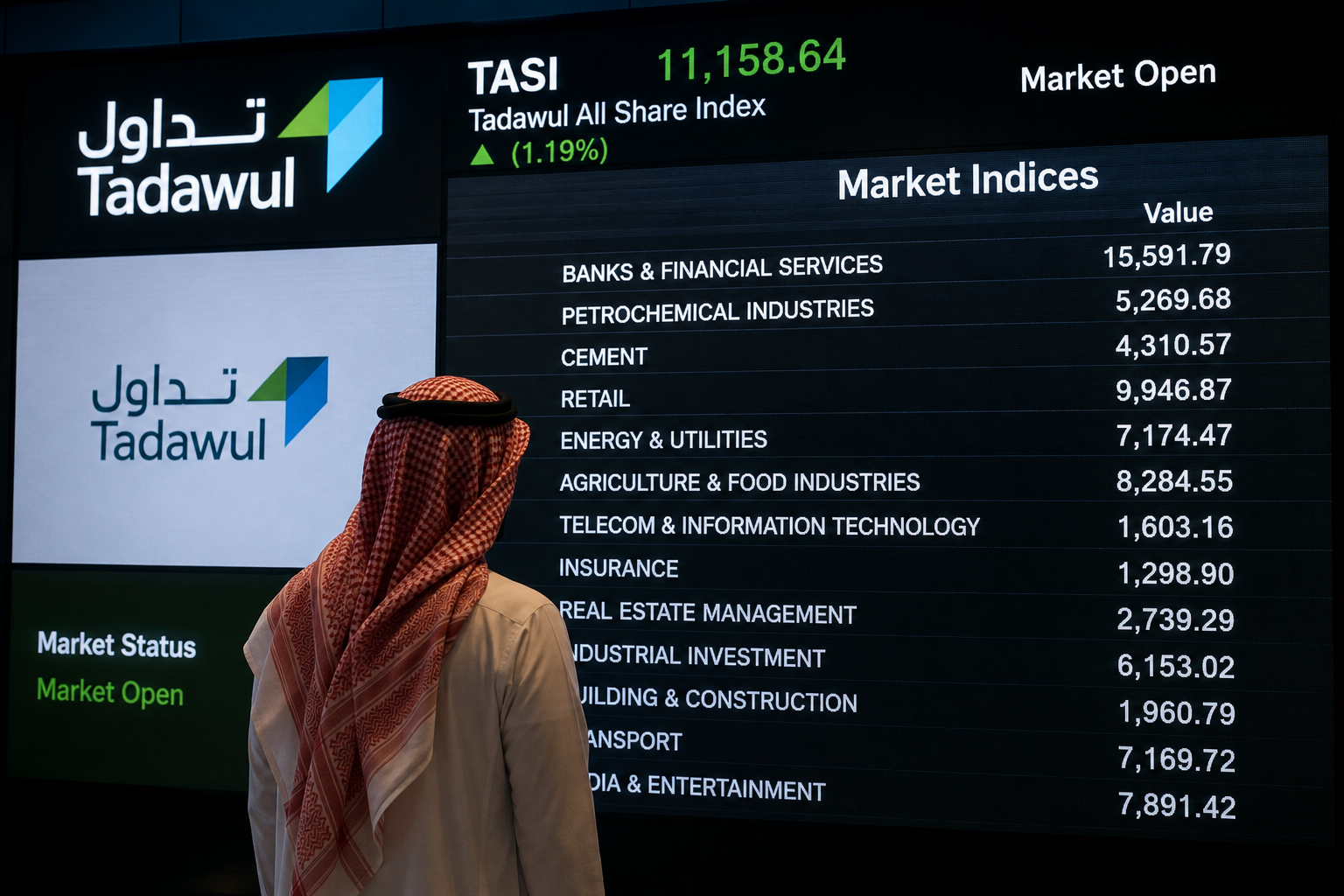
Saudi Arabia has taken a meaningful step in opening its capital markets.

From 1 February 2026, reforms introduced by the Saudi Capital Market Authority will allow foreign investors to access the Saudi stock market directly.

In practical terms, foreign individuals and institutions, resident or non-resident can now invest directly in Saudi-listed equities through licensed local intermediaries, without meeting QFI qualification thresholds. Direct ownership replaces indirect exposure.

Why this matters

  • Lower entry friction expands the pool of eligible foreign investors
  • Direct shareholding improves transparency and governance alignment
  • Broader participation supports liquidity and price discovery
  • Stronger global integration reinforces Saudi Arabia’s role in international portfolios

This move is fully aligned with Vision 2030’s objective of building deep, internationally competitive capital markets.

What remains unchanged

  • Foreign ownership caps still apply (typically ~10% per investor and up to ~49% in aggregate)
  • Sector-specific restrictions remain in force
  • Company bylaws may impose tighter limits than regulation

Investor takeaway

This should be treated as a market-entry decision, not a trade. Investors who structure access, ownership constraints, and risk exposure early will be better positioned than those who wait for consensus.

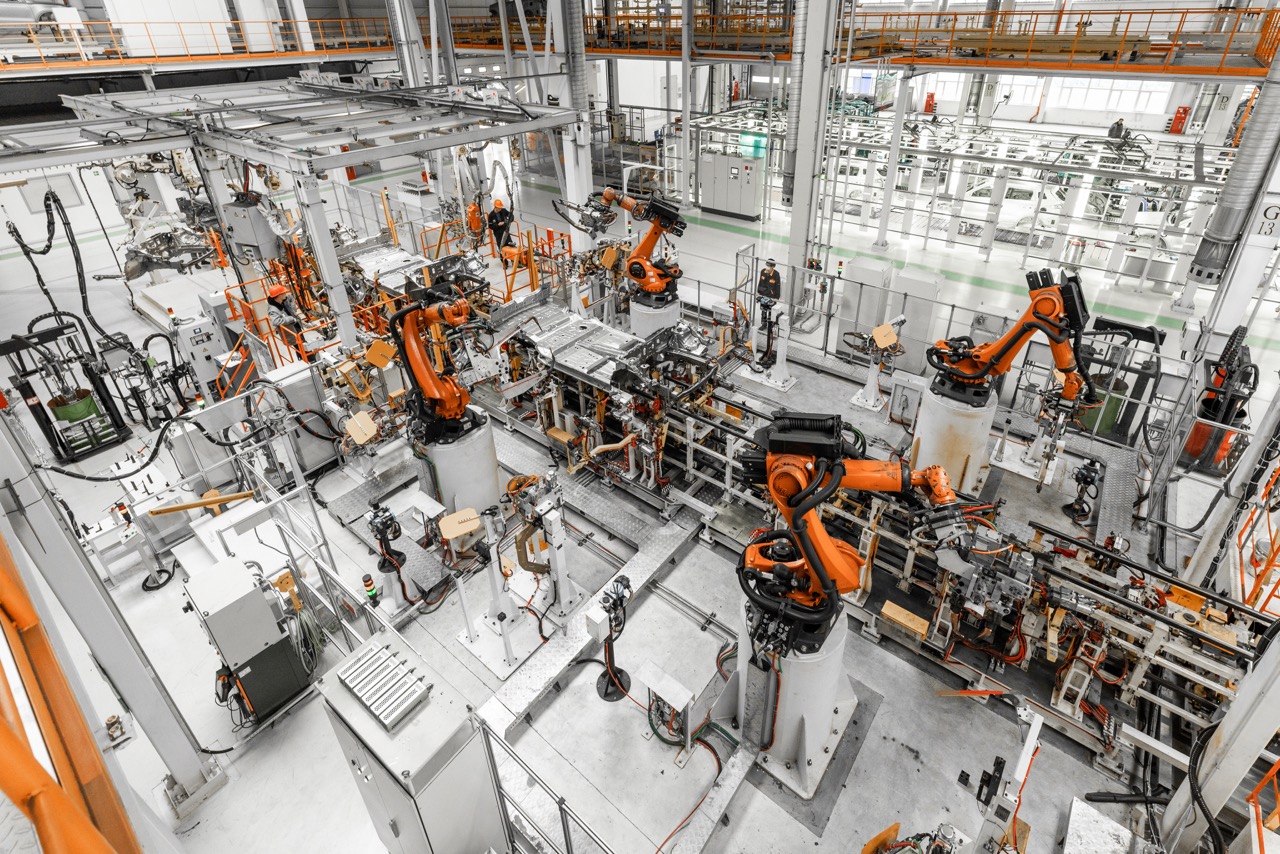
Advantages and Incentives for Relocating Manufacturing to Saudi Arabia

Overview

In recent years, Saudi Arabia has positioned itself as a key destination for international companies seeking financial efficiency, favorable regulatory conditions, and a stable investment climate. Through the ambitious Vision 2030 program, the Kingdom is implementing comprehensive reforms to become a regional economic leader, offering substantial financial and infrastructure incentives as well as strong institutional support for foreign investors.

Tax Advantages

Saudi Arabia offers one of the most competitive tax regimes globally, significantly reducing the financial burden on investors:

  • Corporate Income Tax: Foreign investors are subject to a flat 20% corporate tax rate on profits, while certain industrial and special economic zones benefit from tax incentives, including corporate tax exemptions of up to 20 years.
  • Export-Related VAT Relief: Companies producing for export are eligible for full VAT refunds, further reducing operational costs.
  • No Personal Income Tax: The absence of personal income tax materially improves labor cost competitiveness and net compensation structures.

Subsidies and Financial Support

The Saudi government provides a broad range of financial incentives tailored to industrial and manufacturing projects:

  • Saudi Industrial Development Fund (SIDF): SIDF offers long-term financing at preferential interest rates, often below global benchmarks, supporting capital-intensive industrial investments and long-term project sustainability.
  • Subsidized Energy Prices: Saudi Arabia benefits from some of the lowest energy prices worldwide, enabling manufacturers to reduce operating costs by more than 30% in energy-intensive industries.
  • Access to Land: In selected economic and industrial zones, investors may obtain land free of charge or at heavily subsidized rates for the development of production facilities.

Operational and Logistical Efficiency

Relocating manufacturing operations to Saudi Arabia enables meaningful improvements in operational efficiency:

  • Strategic Geographic Location: Proximity to Europe, Asia, and Africa allows faster and more cost-effective distribution to key global markets.
  • Competitive Raw Material Costs: Government-supported access to locally available raw materials helps optimize input costs and improve margin resilience.

Business Environment Stability

Saudi Arabia provides a secure and predictable business environment underpinned by long-term macroeconomic stability:

  • Fixed Exchange Rate Regime: The Saudi riyal is pegged to the US dollar, effectively eliminating foreign exchange volatility risk.
  • Investor Protection Framework: Foreign investors operate within a transparent legal system that safeguards property rights and provides long-term investment security.

Incentives for Green Projects and Sustainable Technologies

Saudi Arabia actively promotes investments in sustainability and advanced technologies through targeted fiscal and regulatory measures:

  • Renewable Energy Tax Incentives: Projects contributing to carbon-emission reduction benefit from preferential tax treatment and dedicated government support schemes.
  • R&D and Innovation Support: Companies investing in research, innovation, and green technologies may access direct government grants and preferential financing instruments.

Strategic Conclusion

Relocating manufacturing to Saudi Arabia offers a compelling combination of strategic and financial advantages. Competitive tax rates, extensive financial incentives, modern infrastructure, and regulatory facilitation position the Kingdom among the most attractive global destinations for industrial investment. Supported by a stable business environment and a clearly articulated long-term economic vision, Saudi Arabia provides international companies with a credible and scalable platform for sustained growth and industrial expansion.

Opportunities in Saudi with the Standard Incentive Program (SIP)

Overview

Saudi Arabia’s industrial strategy under Vision 2030 faces a clear challenge:

– High reliance on imports in key sectors
– Limited local manufacturing depth
– Need to accelerate industrial diversification

To address this, the Saudi Industrial Development Fund (SIDF) launched the Standard Incentive Program (SIP)

The goal?

To boost local production of products not yet manufactured in the Kingdom and attract international players to set up facilities in Saudi Arabia.

What SIP offers:

  • Grants up to 50 million SAR per project
  • Support for both local and international investors
  • Backing for projects that reduce imports and close supply chain gaps

Eligibility requirements include:

  • Product not currently manufactured in KSA
  • Technology transfer and local value creation
  • Commitment to operational excellence and Saudization targets

At MTSI Solutions, we specialise in navigating the SIP application process end-to-end:

  • Feasibility & eligibility assessments
  • Application preparation & structuring
  • Alignment with SIDF, MISA, and other regulatory bodies
  • Full oversight until approval

With deep regional experience, MTSI Solutions helps companies unlock incentives and establish sustainable growth in Saudi Arabia.

Privacy Overview

This website uses cookies so that we can provide you with the best user experience possible. Cookie information is stored in your browser and performs functions such as recognising you when you return to our website and helping our team to understand which sections of the website you find most interesting and useful.